NEWS6 MIN READMay 1, 2025

From Game to Reality: How a Blackout Across Europe Reinforced the Urgency of Resilience Planning
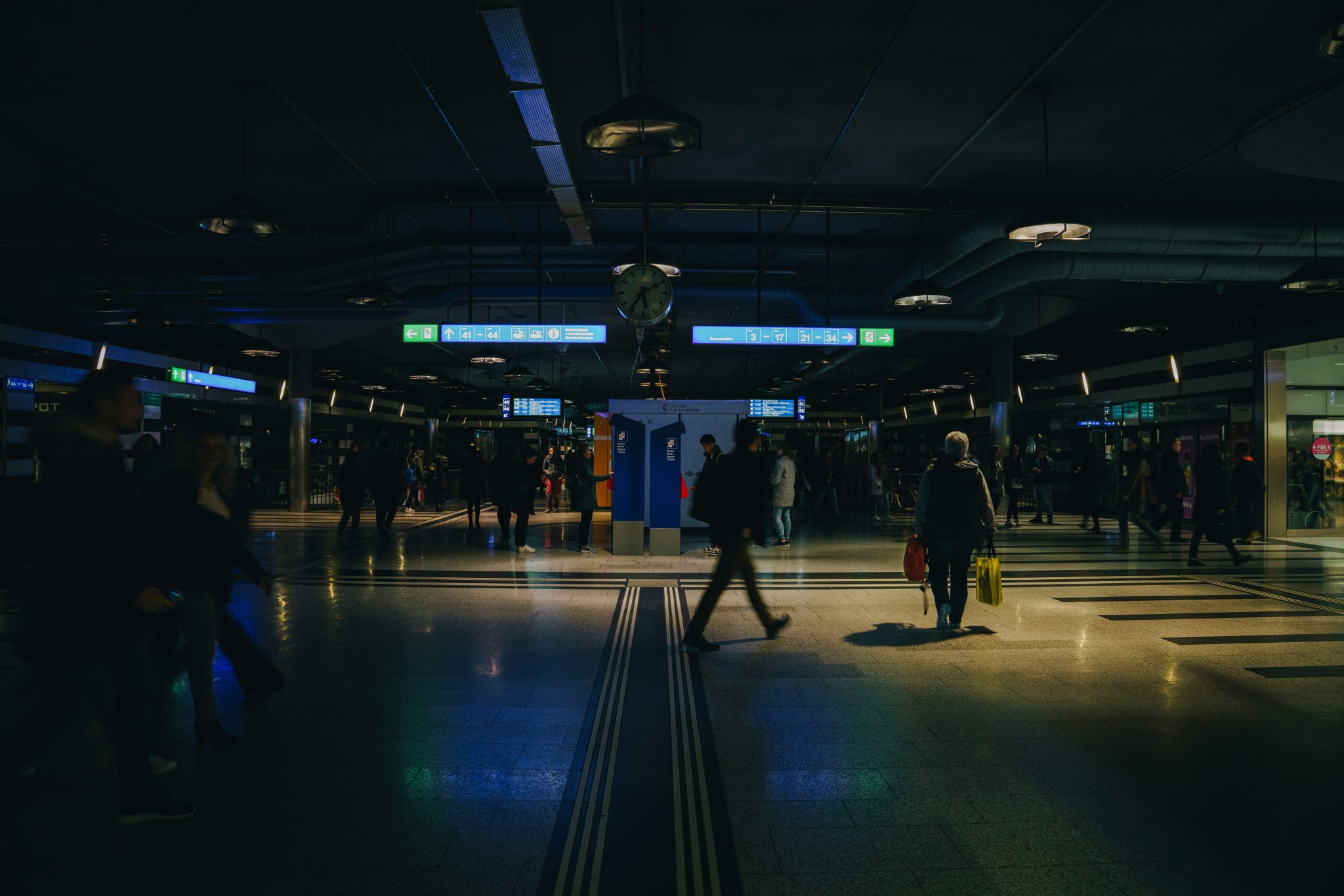
On April 28, millions across Spain, Portugal, Andorra, and southern France were caught off guard by one of the largest blackouts in recent European history. Even though it happened during the day and the streets stayed bright, the sudden loss of power disrupted nearly every part of daily life — from transportation to communication to emergency services. At CAPTRS, we build games to help decision makers prepare for cascading failures, so this event felt especially personal. Two members of our team, Ali Bati in Spain and Micael Sousa in Portugal, experienced the blackout firsthand. We asked them to share what it was like, and how it made them think differently about the work we are doing.
Q: Ali, you live in Barcelona. What was your experience like during the blackout? Q: Ali, after going through this firsthand, what do you think this means for the future? Q: Micael, you’re based in Portugal. How did the blackout unfold for you locally? Q: You and the CAPTRS team recently developed a serious game to help train for blackouts. How can a game like this help people prepare for such events? Q: Has your perspective on the game changed after personally experiencing a major blackout? Honestly, it was pretty chaotic. I was at my coworking space, about 10 minutes from home. Normally, it is an easy train ride back, but when the power went out, the trains just stopped. No warning, no updates, nothing. At first, I thought it was just a local problem. Maybe the coworking building or a neighborhood issue. But pretty quickly I realized it was bigger. The whole area around the coworking was out. Then I found out the entire city was down. And later, hearing that the whole country, and even parts of Portugal and France were affected, that was scary in a way that is hard to explain. It was still early in the day, so it was not dark outside. But it felt dark in a different way. No trains, no internet, no calls getting through. No real information about what was happening. You are left completely disconnected, and that is a very strange and uncomfortable feeling in a modern city. I could not reach my wife. No calls, no texts. We have a two-year-old daughter, and my mind immediately went to the worst-case scenarios. What if they were stuck in a lift? Or trapped on a train? Not knowing what was happening, even hours after it started, was the hardest part. The whole experience made it painfully clear how quickly everything we rely on can collapse. Transport, communication, basic mobility… It is all so tightly connected that when one part falls, the rest follow almost immediately. It really shook my trust in how stable these systems are. We always assume there will be backup plans, that somebody somewhere has thought it all through. But when everything fails at once and you are standing there with no way to get home, no way to get updates, you realize how fragile it all really is. I think a lot of people are going to carry that feeling with them now. Systems we thought were reliable are not as bulletproof as we believed. If we are serious about fixing it, it will take much more than just repairing cables or replacing transformers. We need better emergency communication, backup power for public infrastructure, and smarter planning for cascading failures. Not just prevention, but also resilience when the prevention fails. When the power first went out, we assumed it was a routine outage, maybe maintenance or localized infrastructure work. These happen occasionally and usually only last a few minutes. But when we realized the entire country was affected, we knew something was seriously wrong. The weather was typical for this time of year, so my first thought was that we were under some kind of attack. Communications initially remained intact, but that only helped misinformation spread more quickly. Fortunately, radio stations were still broadcasting and became a key source of reliable updates. Gas stations weren’t operational, restaurants were closed, and the few supermarkets that had backup generators were packed with people trying to stock up. Traffic lights were out, causing widespread gridlock. Eventually, mobile networks began to fail, and I couldn’t reach my family. From radio updates, we learned the traffic chaos was nationwide. Trains had stopped, airports were shut down, and hospitals and pharmacies were becoming a critical concern. Water supply in many areas was only expected to last a few more hours. The government assured us that priority services were being addressed and that power restoration was underway, but it had to be done slowly and cautiously. By 10 PM, power began returning. But in less than 12 hours, society had started to unravel. It was a sobering glimpse of how quickly things can deteriorate during a large-scale blackout. Yes, our game, EMCE: City Blackout Game was designed precisely to simulate the cascading effects of a widespread power outage. What we experienced in Portugal mirrored many of the scenarios we had built into the game. The game challenges players to manage limited resources, make strategic decisions, and set priorities as the situation escalates. It emphasizes the importance of prevention, preparedness, and rapid response in the face of infrastructure failures. One of the game’s strengths is accessibility. It’s designed for non-experts. That means community leaders, policymakers, and everyday citizens can all engage with it and gain insight into the complexity of emergency management. It helps build resilience by showing how interconnected systems can fail and how critical timely decision-making becomes in those moments. While no game can replicate the full chaos of a real crisis, EMCE offers a valuable, interactive way to raise awareness and promote planning across communities and institutions. Micael: Absolutely. When we first designed the game, we imagined a blackout triggered by a climate crisis or some extraordinary event. But this blackout showed us that a total shutdown doesn’t need an extreme cause, it can also be caused by an infrastructure failure. When the grid becomes unstable, a full shutdown can actually be part of the safety protocol. We still don’t know the exact cause of the outage, but we’ve seen firsthand how long recovery can take, even with existing contingency plans. The impact was enormous in just 12 hours. It’s frightening to consider the consequences if it had lasted days. This event exposed serious vulnerabilities. People couldn’t refuel cars, even gas-powered ones. Payments were blocked because few people carry cash anymore. Many homes rely on electric systems just to open windows or doors. Food in fridges began to spoil, creating the risk of a public health issue. It also made us realize how poorly prepared we are. Even the authorities admitted their plans need to be revised. If this had happened during a snowstorm, heatwave, or flood, the consequences would have been even more severe. As our dependence on digital and electrical systems grows, so must our capacity to prepare for and manage these crises. The blackout revealed just how fragile our systems are and why we must take preparedness seriously. Learn more about the EMCE: City Blackout Game and how it can help you prepare!
 Previous Post