When the “Unthinkable” Happens: Why Crisis Teams Need to Practice the Future
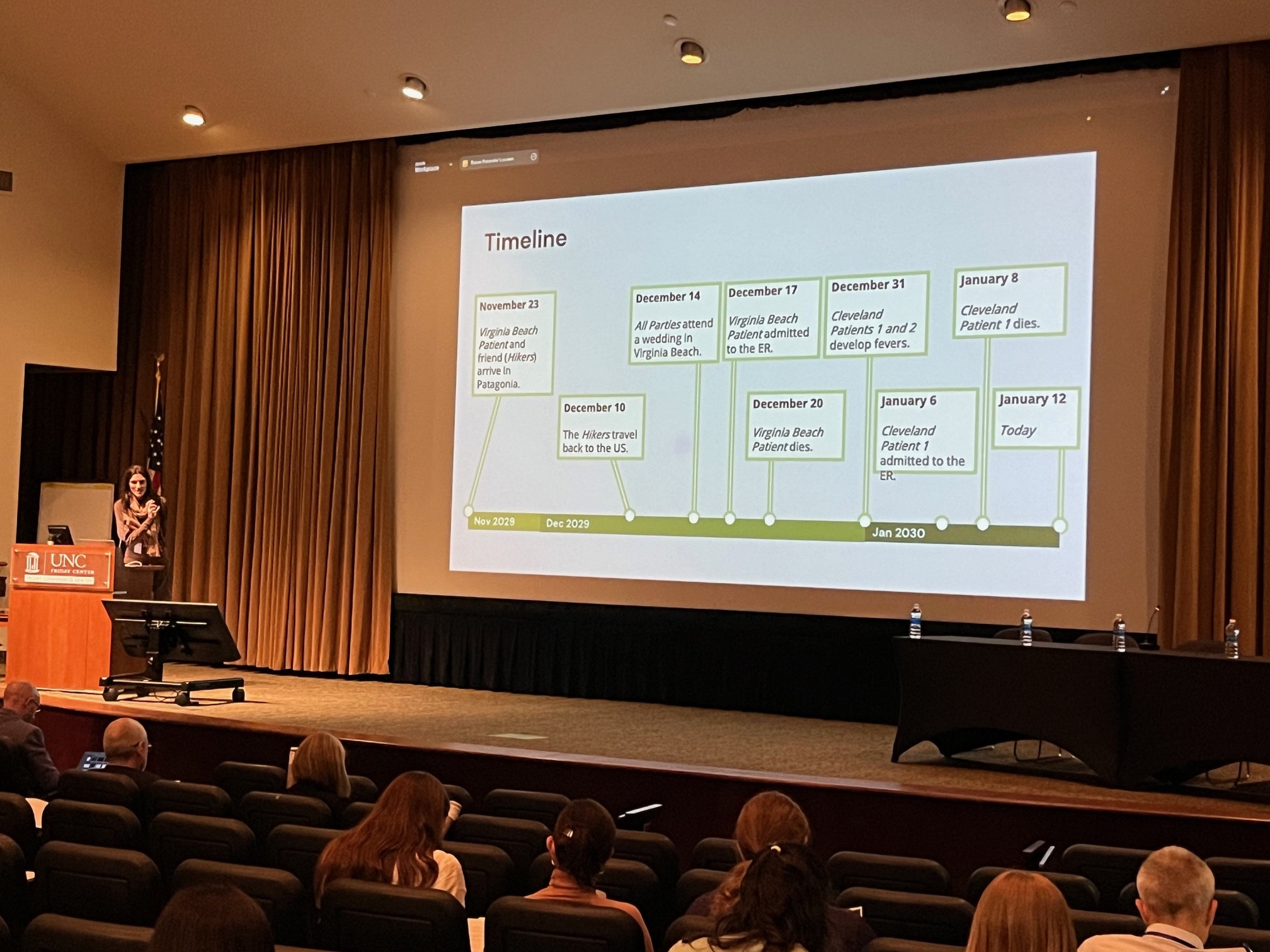
The recent suspected hantavirus outbreak aboard the MV Hondius is a painful reminder that crises rarely arrive in the shape we expect. According to media reports, three people have died and several others have fallen ill after a suspected rare infectious disease outbreak on a cruise ship traveling in the Atlantic. Public health authorities are investigating the source, transmission dynamics, and next steps for evacuation, quarantine, and care.
For those who work in preparedness, the story feels both shocking and familiar.
A rare pathogen. A confined environment. Uncertain transmission. Passengers and crew spread across jurisdictions. Medical evacuation decisions. Public communication challenges. Coordination among ship operators, national governments, hospitals, and international health agencies.
These are the kinds of cascading, high-pressure conditions that preparedness professionals know they may one day face, but often have little opportunity to practice before the real event arrives.
When real-world events begin to resemble the scenarios we practice, it is not because the future was predictable. It is because the underlying patterns of crisis are recognizable: uncertainty, urgency, limited information, and the need for coordinated action.
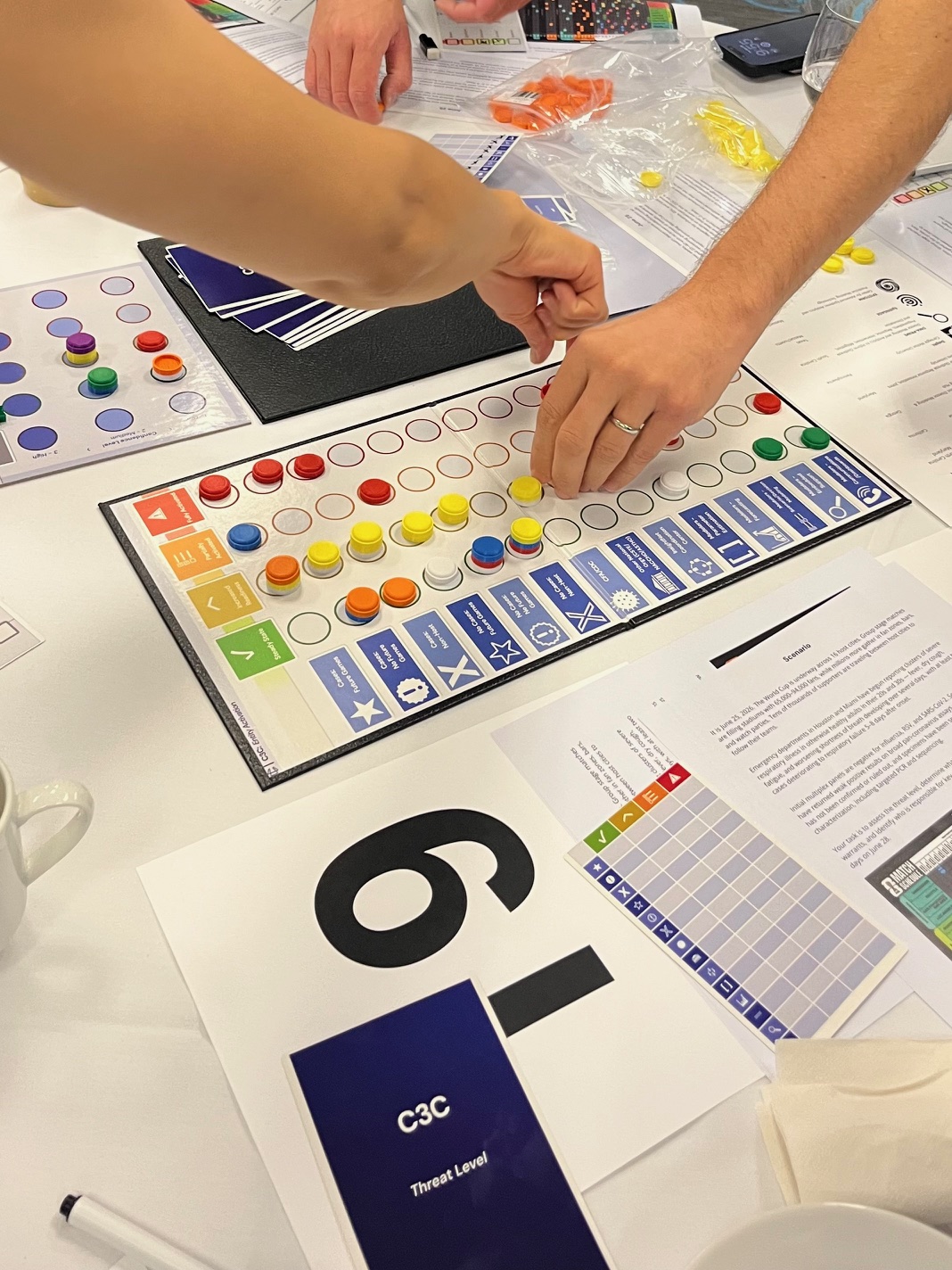
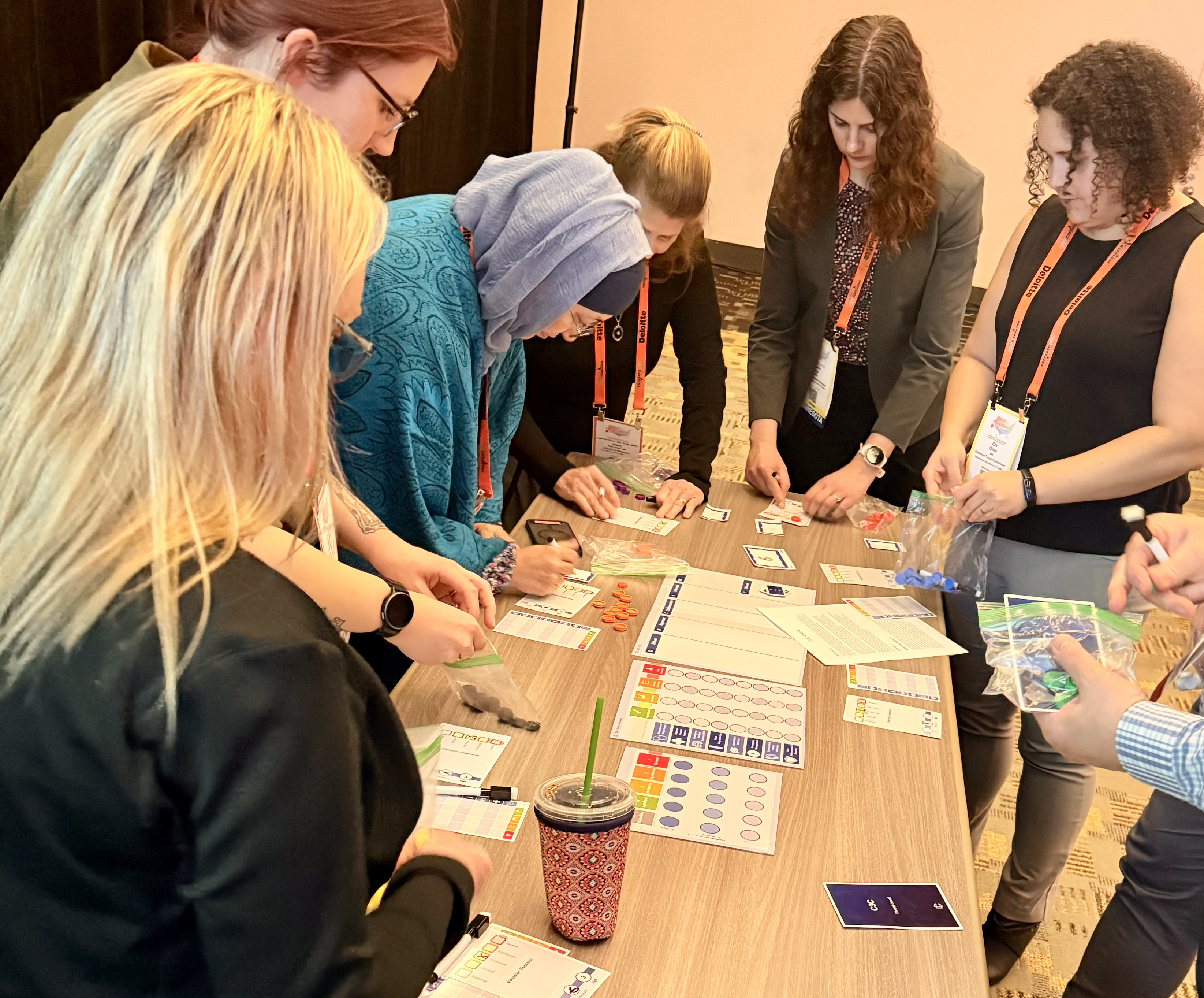
Two years ago, CAPTRS ran the A3P game with a hantavirus scenario for the CDC, giving public health leaders and epidemiologists a chance to practice threat assessment, situational awareness, and activation decisions when a rare pathogen emerges. This year, CAPTRS also led nearly 200 scientists and public health officials through the C3C Game at the CDC Insight Net Annual Meeting, helping participants practice entity activation decisions, capability analysis, and the coordination demands of real-time outbreak response.
CAPTRS games already help teams practice the kinds of decisions situations like this demand. The A3P game, which we ran with the hantavirus scenario, helps teams assess emerging threats, align across entities, and activate coordinated response structures when information is incomplete. C3C strengthens the cross-agency alignment, communication, and command-structure familiarity that become essential when a rare threat emerges in a complex setting.
The lesson from events like this is not that any single scenario can prepare us for everything. It is the opposite: preparedness has to be flexible enough for the situation no one wrote into the plan.
That is where serious games can help. They create a low-risk environment where leaders and teams can surface assumptions, identify blind spots, test coordination, and build shared instincts before lives are on the line. A tabletop plan may describe who should do what. A game reveals whether people can actually make those decisions together when the facts are unclear and the clock is moving.
As global travel, ecological disruption, urbanization, and complex supply chains continue to reshape the risk landscape, the next crisis may again look unusual at first. It may begin in a place no one expected. It may cross boundaries quickly. It may force decisions before all the data is available.
CAPTRS games help decision-makers prepare not by predicting the next headline, but by strengthening the judgment, coordination, and confidence they will need when the next headline arrives.
Explore CAPTRS games and exercises designed to help public health, emergency management, and resilience leaders practice today for tomorrow’s threats.
 Previous Post